Homework Vocabulary in English for Kids

Homework vocabulary covers the nouns, verbs, instructions, and replies children need for work outside class. Homework Vocabulary in English: Words and Activities for Kids offers a starter set for speaking, reading, and writing. Begin with six to ten words from the current lesson, such as “read,” “write,” “page,” and “answer.” Then add language for planning, help, checking, and progress.
📥 Homework Vocabulary Practice Pack
Learn useful words and phrases for completing schoolwork with confidence
Leave your email — we'll send the PDF to your inbox.No spam — the PDF plus one short reminder. Unsubscribe anytime.
Essential Words and Phrases
Teach homework words in functional groups. Object words name materials, action words state tasks, and instruction phrases combine both. Time, help, and feedback words support planning, requests, and progress reports.
Treat Homework Vocabulary in English: Words and Activities for Kids as a menu, not a test. Select six to ten items tied to one task. Show the object or action, say the word, and give a short instruction. Later, mix familiar words with one or two new phrases. Repeated retrieval builds recall in context.
Using the Words in Context
A child knows a word when they can follow it in an instruction and use it in a reply. Practise short exchanges, then add detail: “I finished” can become “I finished the reading task, but I need help with question four.”
- What is your homework? — I have a reading exercise.
- Which page do you need? — I need page twelve.
- Have you finished? — Not yet. I have two questions left.
- What comes first? — First, I read the instructions.
- Do you need help? — Please explain this word.
- Is your answer correct? — I will check it again.
Change one part of each exchange but keep the pattern. Replace “reading exercise” with “writing task” or “maths worksheet.” Your child builds new sentences without memorising a fixed script.
Three-step Instruction Challenge
Give three actions: “Open your notebook, write the date, and circle the title.” Your child follows them in order, then creates a new three-step instruction.
For writing practice, use a tiny homework log: “My task is…,” “I need…,” and “I finished….” One sentence in each space is enough. Older children can add a problem and next step.
Practice tip
Repeat each phrase during a real task and a later game. Using “check your answer” in both settings reinforces its purpose.
Activities for Different Ages
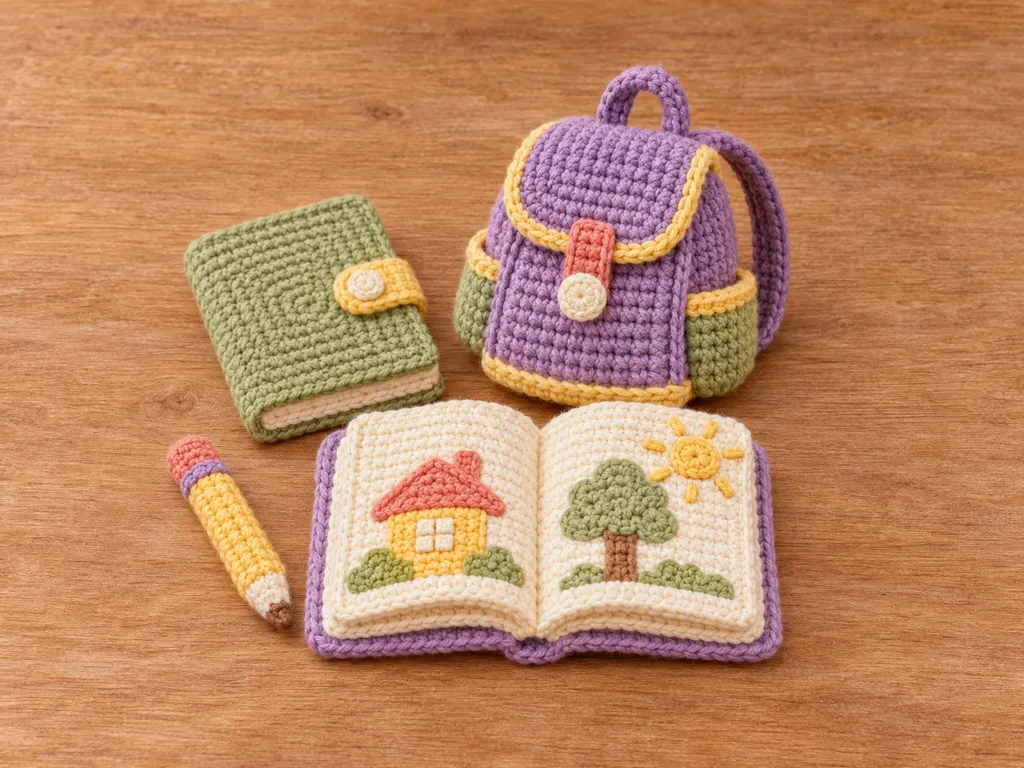
For school-age kids, use objects, pictures, and movement. Place a book, pencil, and notebook on a table. Say “Point to the notebook” or “Open the book.” Mime read, write, draw, and check. Keep rounds brief and change the command order.
Try a school-bag hunt or instruction cards. Your child finds an object, reads a command, and acts. Add choices such as “circle or underline” and “question or answer.” Require one spoken reply after each action.
Activity checklist
- Choose one small word group.
- Show each word in context.
- Ask your child to say the word.
- Use it in a short instruction.
- Review it during a real task.
Older learners can practise planning and explanation. Ask your child to describe an assignment, list materials, order steps, and report one difficulty. Homework Vocabulary in English: Words and Activities for Kids should grow with the learner: younger children act out words; older learners explain decisions and ask precise questions.
A Simple Practice Routine
Use Homework Vocabulary in English: Words and Activities for Kids in a ten-minute routine. Spend two minutes reviewing known words, four minutes following instructions, and four minutes speaking or writing. Stop after ten minutes while responses remain accurate.
Revisit the same words on later days. Sort them into objects and actions, use them in learner-tutor role-play, then ask your child to explain a real assignment without the word list.
In a multilingual family, your child may know each concept in another language. Use that knowledge as a bridge. Say the English word, connect it to the familiar meaning, and give an example. A brief translation can confirm meaning; follow it with active practice.
Common Mistakes and How to Correct Them
In standard usage, homework is uncountable. Say “I have homework” or “I have two assignments,” not “I have a homework” or “two homeworks.” Use assignment, task, or exercise when you need a countable noun.
The standard verb is do: say “do homework,” not “make homework.” Separate learn from study: a child may study new words and learn them over time. Model the complete phrase as a reusable pattern.
Myths and facts
Myth: A child must memorise every homework word before using it.
Fact: Practise a small set through instructions, replies, and real tasks.
Myth: Every error needs an immediate explanation.
Fact: A short correction and accurate model often suffice during an activity.
Do not stop after every slip. Correct errors that block meaning or change the target phrase. Give the correct form, request one calm repetition, and continue. Explain recurring patterns in more detail.
- Choose three homework words and model each in one clear sentence.
- Ask your child to correct one mislabeled school item using a picture.
- Compare two sentences, then circle the one using the homework word correctly.
- Replace vague words like “thing” with specific terms from the child’s workbook.
- Review four corrected examples and let your child explain each change aloud.
When a word has several meanings or pronunciations, Cambridge Dictionary is a useful check before turning it into child-friendly examples.
Frequently Asked Questions
How Many Homework Words Should My Child Learn at Once?
Start with six to ten words linked to one task, then adjust to your child’s response. A younger learner may use four objects and two actions. An older learner may handle more instructions and planning phrases. Add vocabulary when your child understands and uses most of the current set without prompting.
Can Multilingual Children Use Their Other Languages During Practice?
Yes. Homework Vocabulary in English: Words and Activities for Kids can sit beside languages your child knows. A quick translation may confirm meaning, but resume practice with an example or action. Ask your child to point, act, choose, or answer using the target words. Existing language knowledge supports learning.
Should I Correct Every Grammar or Pronunciation Error?
No. Correct errors that change meaning, confuse an instruction, or affect the phrase being practised. Model “do homework,” invite one repetition, and continue. During a complex explanation, hear the full answer first. Frequent interruptions shift attention from the message and vocabulary.
Can We Practise These Words If My Child Has No Regular Homework?
Yes. Use reading, drawing, puzzles, online lessons, or a family project. Follow three steps: choose six target words, practise them for ten minutes, and reuse them during a real task. Repeat the routine three times during the week. In lessons with LearnLink tutors, the vocabulary helps children request support and explain their understanding.
Start your child's English journey today — book a trial lesson with LearnLink.
Stay updated on our latest tips and resources by following us on Instagram LearnLink.